
In today’s ever-evolving business landscape, companies of all sizes are rethinking how — and where — they work. The rigid, long-term leases and sky-high overheads of traditional office spaces? They're quickly becoming relics of the past. Instead, smart businesses are embracing managed office spaces, and for good reason.
If you're wondering whether a managed workspace could be the right move for your company, you're not alone. Let's dive into why so many forward-thinking companies are choosing this flexible, modern solution — and why it might be time for you to consider it, too.
What Are Managed Office Spaces?
The Basics of Managed Office Solutions
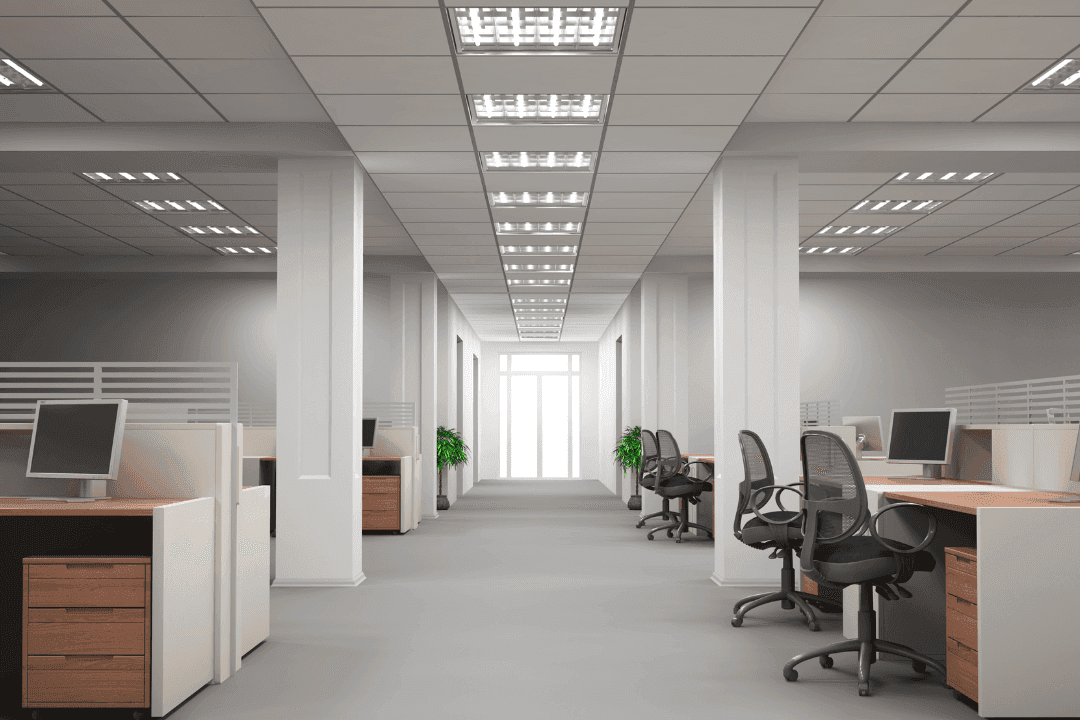
Managed office spaces, also known as serviced offices or flexible workspaces, are fully-equipped, ready-to-move-in offices managed by third-party providers. They typically include everything from desks and high-speed internet to cleaning services and meeting rooms.
Think of it like a turnkey office solution — you just show up with your laptop, and everything else is taken care of.
How They Differ from Traditional Leases
Traditional leases often come with long-term commitments, upfront capital expenses, and the burden of setting up utilities, furniture, IT infrastructure, and more. Managed offices eliminate those headaches. They're plug-and-play environments, often leased on a monthly basis, giving businesses more freedom and fewer obligations.
Key Reasons Smart Businesses Are Making the Switch
Cost-Efficiency Without Compromising Quality
One of the biggest draws of managed office spaces is cost-effectiveness. Instead of investing in fit-outs, technology, and maintenance, you pay a single monthly fee that covers it all. That predictable expense model is a game-changer, especially for small and medium-sized businesses looking to scale without financial strain.
For example, rather than spending tens of thousands on designing a new office, a growing startup can move into a beautifully furnished space — often in a prime location — without the hefty price tag.
Flexibility That Matches Modern Business Needs
The pandemic reshaped how we think about workspaces. Many businesses now operate with hybrid models or rely on remote teams, making rigid leases and static office spaces less practical.
Managed office spaces provide short-term leases, the ability to scale up or down, and even hot-desking options — perfect for companies in flux or growing rapidly.
The Role of Technology and Amenities in Managed Offices
Smart Infrastructure and Seamless Connectivity
In today's fast-paced digital environment, a slow internet connection or outdated IT system is more than just an annoyance — it’s a business liability.
Managed offices are equipped with enterprise-grade tech infrastructure. This includes high-speed Wi-Fi, VOIP phones, video conferencing tools, and often on-site IT support. That means you and your team can stay connected and productive from day one.
Access to Premium Facilities Without the Overhead
Need a stylish boardroom for a client presentation? Or a quiet booth for a video call? Managed office spaces typically offer access to shared amenities like meeting rooms, breakout zones, lounges, kitchens, and even wellness rooms — all maintained for you.
This gives your team (and your clients) a professional, polished experience without the cost or effort of managing these spaces yourself.

Supporting Productivity and Team Culture
Designed for Collaboration and Focus
A well-designed office isn’t just about aesthetics — it’s about enhancing productivity and collaboration. Managed offices are often purpose-built with open areas for brainstorming, quiet zones for deep work, and communal spaces that foster spontaneous team interaction.
Instead of worrying about who's going to fix the broken air conditioner, your team can focus on what matters: doing great work.
Stress-Free Operations for Teams and Managers
Managed office providers take care of everything behind the scenes — cleaning, security, internet, maintenance, and even refreshments in some cases.
For founders, team leads, or operations managers, this means more time to focus on strategic growth instead of office admin. And for team members, it creates a smoother, more enjoyable work environment where everything “just works.”
Who Benefits the Most from Managed Office Spaces?
Startups, Scaleups, and Remote Teams
Startups love managed office spaces because they reduce initial capital expenditure and support rapid growth. Need 10 desks this month and 20 next month? No problem.
For remote teams, having access to a professional, central hub where employees can meet occasionally is a great way to maintain culture and collaboration without committing to a full-time office.
Established Enterprises Seeking Agility
Even larger companies are shifting part of their operations into managed spaces. Whether it’s setting up a satellite office, entering a new market, or offering flexible work locations for staff, managed offices provide a low-risk, high-reward solution.
In fact, several Fortune 500s have integrated managed workspaces into their real estate strategy to stay agile in a fast-changing business world.
Conclusion and Final Thoughts
Smart businesses today are prioritizing agility, cost control, and employee experience — and managed office spaces tick all those boxes. From the freedom to scale to access to cutting-edge infrastructure, these spaces offer a modern solution to a modern challenge.
If you're still tied to a traditional lease, it might be time to rethink your workspace strategy. After all, the smartest move you make this year might not be a new hire or a product launch — it could be where (and how) you choose to work.
FAQs
1. Are managed office spaces more expensive than traditional offices?
Not necessarily. While the monthly cost might seem higher on paper, it includes utilities, cleaning, tech, furniture, and more — often making it more cost-effective overall.
2. Can I customize a managed office space to reflect my brand?
Yes! Many providers allow light branding like signage, custom interiors, or branded meeting rooms to maintain your company identity.
3. How long are typical lease terms in managed office spaces?
Most managed office spaces offer monthly or short-term leases, though long-term options are usually available for businesses that want extra stability.
4. Are managed offices suitable for fully remote teams?
Absolutely. Managed offices are great for remote-first teams that want occasional meeting spaces or a base for collaboration without committing to full-time office use.
5. What’s included in a managed office space?
Typically, your fee covers furniture, high-speed internet, cleaning, utilities, reception services, IT support, and access to meeting rooms — all managed by the provider.