If you’re a startup founder or a freelancer, you already know the importance of staying productive while keeping costs under control. But let’s be honest—working from home can feel isolating, and renting a traditional office often burns through your budget too quickly. That’s where flexible workspaces come in.
Flexible workspaces are designed to give you the freedom to work on your own terms, while still providing professional amenities, networking opportunities, and the energy of a thriving community. They’ve quickly become the go-to solution for modern professionals who value flexibility, collaboration, and growth.
In this article, we’ll explore why flexible workspaces are gaining popularity, the unique benefits they bring to startups and freelancers, and how they’re shaping the future of productivity.
Why Flexible Workspaces Are on the Rise
The Shift from Traditional Offices
For decades, the office was seen as the heart of productivity. Rows of desks, conference rooms, and rigid schedules defined the way we worked. But over time, this model showed cracks—especially for small businesses and independent workers who didn’t need (or couldn’t afford) large office leases.
The global rise of remote work added fuel to the fire. Professionals discovered that they didn’t need to be tied to a single office location to be effective. Instead, they sought spaces that could adapt to their changing needs. Flexible workspaces answered that call.
The Need for Freedom and Cost Savings
Startups and freelancers thrive on agility. They don’t want to be locked into a 3-year lease when their business might double—or pivot—within six months. Flexible workspaces eliminate that pressure. You can rent a desk by the day, a private cabin by the month, or even expand into a larger office when your team grows.
And let’s not forget the cost savings. Utilities, furniture, internet, cleaning services—they’re all bundled in. That means more money left in your pocket to invest in what truly matters: building your business.
Benefits of Flexible Workspaces for Startups and Freelancers
Affordable Access to Premium Facilities
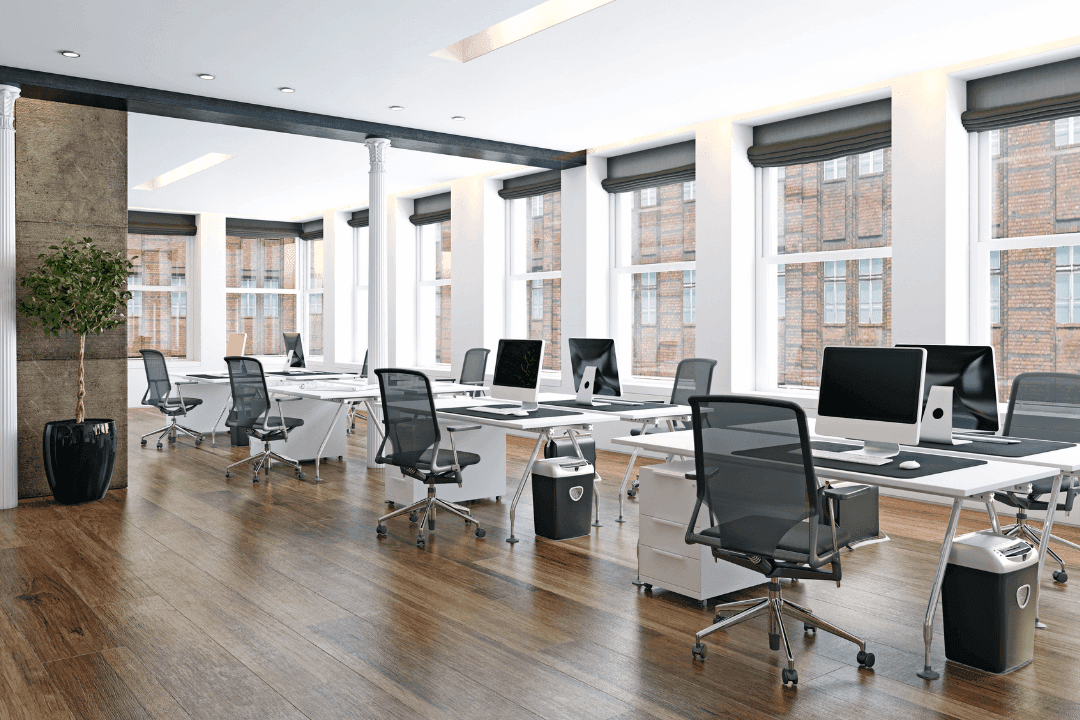
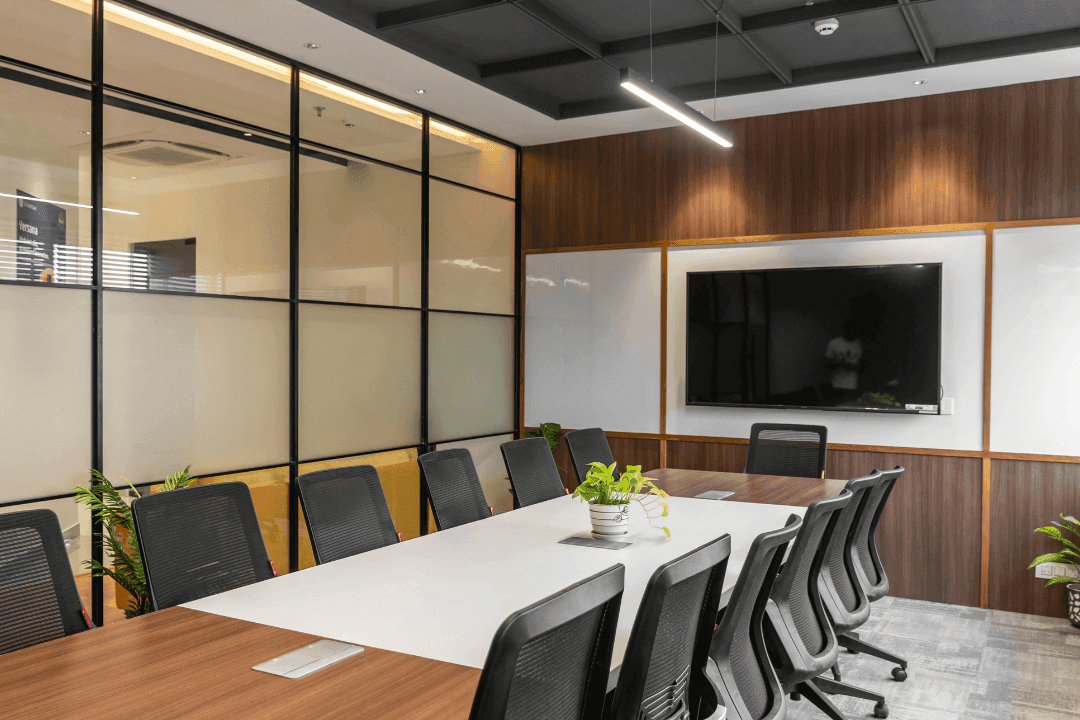
Imagine having access to high-speed internet, modern meeting rooms, ergonomic furniture, and even coffee bars—all without paying for them upfront. That’s the beauty of flexible workspaces. They provide premium facilities at a fraction of the cost of setting them up yourself.
For startups, this means being able to host clients in a professional environment without the overhead. For freelancers, it means escaping the coffee shop grind and working in a space that actually boosts focus.
Boosting Productivity and Work-Life Balance
Working from home often blurs the lines between professional and personal life. Suddenly, chores, TV, or even your bed become distractions. Flexible workspaces help you create structure. When you walk into the space, your brain knows—it’s time to get things done.
What’s more, these spaces are designed with productivity in mind. Quiet zones for deep work, collaboration areas for brainstorming, and even relaxation corners for when you need a break. The result? A healthier work-life balance and a noticeable boost in output.
Networking and Collaboration Opportunities
Perhaps one of the biggest perks of flexible workspaces is the community. Picture this: you’re a freelancer working on a branding project, and right across the table sits a web developer. Or maybe your startup needs legal advice, and a lawyer happens to share the same coworking floor.
These connections happen naturally in flexible workspaces. Networking events, workshops, and casual conversations over coffee often lead to collaborations, partnerships, or even new clients. For freelancers, it’s like having a built-in referral network. For startups, it’s a chance to tap into talent and resources that would otherwise be hard to find.
How Flexible Workspaces Drive Innovation and Growth
Creating an Environment of Creativity
Innovation thrives in environments that encourage experimentation, idea-sharing, and diverse perspectives. Flexible workspaces are designed to spark creativity—bright interiors, collaborative lounges, and communities filled with people from different industries.
You never know where the next big idea might come from. Maybe it’s a brainstorming session with your team, or maybe it’s a casual chat with someone from a completely different field. These “collision moments” often lead to breakthroughs.
Scaling with Agility and Flexibility
Startups, especially in their early stages, need room to grow—or sometimes, to downsize quickly. Flexible workspaces make this possible without the stress of renegotiating leases or buying extra furniture. Need a bigger team room next month? Easy. Want to switch back to just a hot desk? No problem.
This agility gives startups the confidence to take risks, experiment, and scale at their own pace. Freelancers also benefit by being able to adjust their workspace needs based on project load, without being tied down.
Is a Flexible Workspace Right for You?
Key Questions Startups and Freelancers Should Ask
Before jumping in, consider these questions:
- Does the workspace location make sense for you and your clients?
- Are the amenities aligned with your needs (e.g., meeting rooms, 24/7 access, event spaces)?
- What’s the community like—does it include professionals you can learn from or collaborate with?
- Is the membership flexible enough to grow or shrink with your workload?
Asking these questions helps ensure you choose a workspace that fits your goals, not just your budget.
Real-World Scenarios Where Flexible Workspaces Shine
- A startup with a growing team: They begin with a small cabin for three people, then expand to a larger office within the same coworking center as they hire more staff.
- A freelancer juggling clients: They use hot desks during the week and book meeting rooms when presenting work to clients.
- A hybrid worker: They work from home part of the week and use the coworking space when they need structure, networking, or a change of environment.
In each case, the flexible workspace adapts seamlessly—something traditional offices simply can’t do.
Conclusion
Flexible workspaces are more than just a trend—they’re the future of productivity for startups and freelancers. By combining affordability, professional amenities, community support, and scalability, they create an environment where individuals and teams can truly thrive.
If you’ve ever felt stuck between working at home and committing to an expensive office, a flexible workspace might just be the solution you’ve been looking for. It’s not only about having a desk—it’s about unlocking opportunities, building connections, and working in a space that fuels your growth.
So, whether you’re a freelancer seeking focus or a startup ready to scale, flexible workspaces are here to redefine how you work—and how productive you can be.

Frequently Asked Questions (FAQ)
Q1. What exactly is a flexible workspace?
A flexible workspace is an office solution where individuals or businesses can rent desks, cabins, or offices on flexible terms instead of long-term leases.
Q2. Are flexible workspaces only for startups?
Not at all. Freelancers, remote employees, consultants, and even large enterprises use flexible workspaces for different needs.
Q3. How do flexible workspaces improve productivity?
They provide a professional environment, minimize distractions, and offer networking opportunities—all of which boost focus and output.
Q4. Do flexible workspaces include amenities like Wi-Fi and meeting rooms?
Yes. Most offer high-speed internet, conference rooms, printing facilities, and even perks like coffee, snacks, or event access.
Q5. Can I scale my team in a flexible workspace?
Absolutely. Flexible workspaces allow you to upgrade or downgrade your space as your team size changes, without the hassle of long-term commitments.